
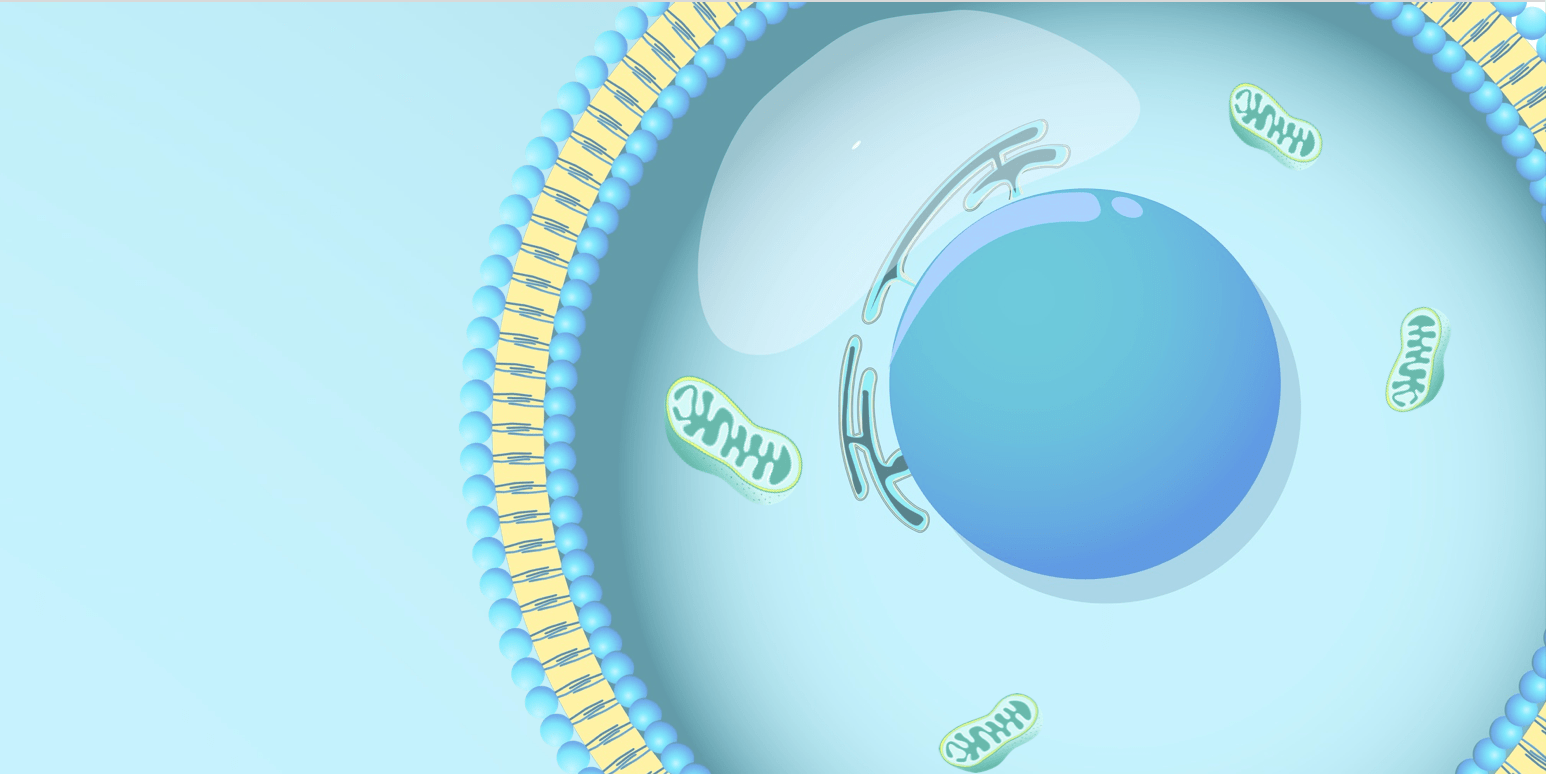

Energy drives all of our daily physical and mental activities. Inside most of our 100 trillion cells, energy is made in mitochondria—membrane bound organelles that take the air we breathe (oxygen) and the macronutrients we eat to generate a high-energy currency known as adenosine triphosphate (ATP).
The medical importance of mitochondria goes beyond bioenergetics. These organelles regulate cellular signaling, neurotransmission, synaptic plasticity, insulin sensitivity, immune resilience, cell death and longevity [1]. In general, a cell with more mitochondria tends to be a healthier one. Evolving research underscores mitochondrial dysfunction is integral to the etiology of aging, diabetes, sarcopenia, coronary artery disease and dementia—conditions that primarily affect cells with the richest mitochondrial reserves and highest energy demands—neurons and muscles [2-6].
The mitochondria have always held center stage in human nutrition, where macronutrients (carbohydrates and fats) cooperate with vitamin and mineral-supported enzymes to generate ATP [7,8]. A 2022 publication on mineral requirements for mitochondrial function concluded that 11 out of the 12 major minerals localize to mitochondria and contribute to energy metabolism [7]. These include zinc, which supports multiple subunits of the electron transport chain, magnesium, which stabilizes ATP, and selenium and manganese, which are cofactors for antioxidant enzymes that protect the mitochondrial membrane and DNA from free radicals produced during energy production. The B-vitamins (riboflavin, niacin and cobalamin) serve as vital cofactors for key steps in metabolism.
Applying this knowledge seldom produces meaningful results in practice. Supplementation with vitamin and mineral cofactors rarely moves the bioenergetic needle unless there is an existing insufficiency.
To understand the most effective mitochondrial enhancement modalities, we need to take a step back and view these organelles not as single entities, but as dynamic, adaptable communities poised to adjust to the blunt adversities of our ancestors – feast, famine, and physical activity.
Send the right signals
Eating food comprises the material emphasis of clinical nutrition, but we must also recognize the importance of not eating. Humans evolved on a dotted line of feasting and fasting over 6 million years, with recurrent food shortages etching the fine arrows of our metabolism and physiology. Like breathing, sleeping, and other reciprocating pendulums of biology that keep us functioning, nutrition has a positive and negative phase (eating, and not eating)—and one cannot happen efficiently without the other. What’s been missing from the Food Pyramid all along is a big empty space.
Caloric restriction (CR), which includes fasting, intermittent fasting, alternate-day fasting and time-restricted eating, provides a controlled emulation of food scarcity that stimulates expansion of our cellular energy factories [9]. CR activates AMP kinase (AMPK), an energy sensor that triggers the expression of genes that provide instructions to make new mitochondria (a process called mitochondrial biogenesis) and the removal of old, dysfunctional mitochondria (mitophagy) [10,11]. Collectively termed mitochondrial quality control, both processes enhance the strength and size of mitochondrial networks, resulting in a higher overall cellular energy output [12,13].
Exercise is a much better option for most people. It enhances mitochondrial quality control without causing calorie deficit fatigue and immunosuppression associated with long-term CR protocols [14]. It’s anabolic to muscle and bone, and has cardiometabolic and neurological health benefits that go far beyond mitochondria. Moderate intensity exercise is widely recognized as a powerful stimulus for mitochondrial biogenesis, but high-intensity interval training (HIIT) may have comparable or superior benefits [5,15]. Exercising twice per day (splitting one workout into two) may be more effective than a single session [16].
Practical guidance
The most effective ways to enhance mitochondrial number are exercise and dietary restriction:
- The current Physical Activity Guidelines for Americans recommends 150 minutes of total exercise per week for overall health. Include moderate-intensity physical activity, lasting at least 10 minutes at a time.
- A short walk or light exercise upon awakening, in the fasted state, may further potentiate the benefits of the overnight fast.
- Avoid weight gain, which suppresses mitochondrial renewal.
- Consider recurring periods of calorie reduction or intermittent restriction. This could be as simple as eating dinner earlier and moving breakfast to a later time on certain days, creating a longer overnight fast. Aim for 16 hours of overnight fasting a couple of days per week.
References
- Sorrentino V, Menzies KJ, Auwerx J. Annu Rev Pharmacol Toxicol. 2018 Jan 6;58:353-389.
- Chistiakov DA, Shkurat TP, Melnichenko AA, et al. Ann Med. 2018 Mar;50(2):121-127.
- Johnson J, Mercado-Ayon E, et al. Arch Biochem Biophys. 2021 May 15;702:108698.
- Wada J, Nakatsuka A. Acta Med Okayama. 2016 Jun;70(3):151-8.
- Bishop DJ, Botella J, Genders AJ, et al. Physiology (Bethesda). 2019 Jan 1;34(1):56-70.
- Keogh MJ, Chinnery PF. Clin Med (Lond). 2013 Feb;13(1):87-92.
- Killilea DW, Killilea AN. Free Radic Biol Med. 2022 Mar;182:182-191.
- Gropper SAS, Smith JL, Groff JL. Advanced Nutrition & Human Metabolism. Chapter 13: Ultratrace elements. pp. 544-545. Australia: Wadsworth/Cengage Learning. 2009: 506-513.
- Green CL, Lamming DW, et al. Nat Rev Mol Cell Biol. 2022 Jan;23(1):56-73.
- Herzig S, Shaw R. Nat Rev Mol Cell Biol 19, 121–135 (2018).
- Burkewitz K, Zhang Y, Mair WB. Cell Metab. 2014 Jul 1;20(1):10-25.
- Pickles S, Vigié P, Youle RJ. Curr Biol. 2018 Feb 19;28(4):R170-R185.
- Ruderman NB, Xu XJ, Nelson L, et al. Am J Physiol Endocrinol Metab. 2010 Apr;298(4):E751-60.
- Spaulding HR, Yan Z. Annu Rev Physiol. 2022 Feb 10;84:209-227.
- Sorriento D, Di Vaia E, Iaccarino G. Front Physiol. 2021 Apr 27;12:660068.
- Ghiarone T, Andrade-Souza VA, Learsi SK. J Appl Physiol (1985). 2019 Sep 1;127(3):713-725.
 Integrative Pharmacology
I look forward to reading this evening! I
LikeLike